


A diamond bracelet such as tennis bracelets, sophisticated bangles, etc. can bring elegance to your jewelry collection. But one question that arises in buyers' minds is whether they should choose natural diamonds or lab-grown diamonds.
The clear answer depends on your preferred style, budget, and feelings about diamond origin. Both lab-grown and natural diamonds are real diamonds made of carbon with a hardness of 10 on the Mohs scale. The main difference in a natural vs lab grown diamond tennis bracelet lies in its origin.
A natural diamond is formed underground over millions or billions of years, whereas lab-grown diamonds are produced using advanced technology in controlled environments.
The Price & Value Breakdown: How Far Does Your Budget Go?
Lab-grown diamond bracelets are available at a reasonable price and provide you with the same larger carat weight as natural diamonds. On the other hand, natural diamonds offer traditional rarity and prestige, representing a higher-value investment. Below are the comparisons you should look at while buying the best value diamond tennis bracelet 2026:
| Factor |
Lab-Grown Diamond Bracelet |
Natural Diamond Bracelet |
|
Overall price |
Costs less; savings may be around 60–80%, based on specifications, retailer, and market conditions. |
Costs more because of natural origin, geological rarity, demand, and market positioning. |
|
Carat weight |
A fixed budget may provide a higher total carat weight. |
The same budget may provide a lower total carat weight as per specifications. |
|
Diamond grade |
Higher color, clarity, and carat-weight specifications are available within the budget. |
Higher color, clarity, cut, and carat-weight specifications can substantially increase the price. |
|
Cut and certification |
Cut quality and certification still affect price and must be compared carefully. |
Cut quality, certification, and grading report affect price. |
|
One-carat example |
A 1-carat lab-grown diamond bracelet may cost less than a natural-diamond bracelet. |
A 1-carat total-weight bracelet generally costs more. |
Quality & The 4Cs of Diamond Bracelets
It is important to understand the 4Cs of diamond bracelets to make a secure purchase. The 4Cs include the cut, color, clarity, and carat weight, which describe the diamond's quality and characteristics.
Cut
Cut affects how a diamond interacts with light. A well-cut diamond produces attractive brilliance and sparkle. Cut becomes an important factor to consider when you shop certified diamond bracelets online in USA because they are made with multiple stones sitting next to one another.
Color
Diamond color is graded starting from D, which represents the highest color grade on the standard scale. Bracelets consist of multiple diamonds, so it is important to check color consistency. When the stones are of different color grades, the bracelet may appear less uniform. In that case, lab-grown diamond bracelets are accessible for buyers who want matched stones in higher color ranges within their budget.
Clarity
Clarity refers to the presence of internal characteristics and surface features. Even though higher clarity can increase the 1 carat lab grown diamond bracelet price, a bracelet does not require every stone to have the highest clarity grade. It helps you achieve an attractive appearance within your budget.
Carat Weight
Carat weight measures diamond weight along with visual size. When you buy lab grown diamond bracelet online or look at natural diamond bracelets, you should check the total carat weight, because tennis bracelets consist of multiple diamonds.
For example, a bracelet listed as 2 CTW consists of diamonds whose combined weight is exactly two carats. So, compare the CTW with individual stone size, color, cut, clarity, and bracelet dimensions. You should also consider the construction of links and how diamonds are placed when looking for a real diamond link bracelet for sale.
Explore Lab-Grown Diamond Bracelets
- 1 Carat Round Shape Lab Grown Diamond BraceletAs low as $1,013.00
- Women'S Lab Grown Diamond Tennis BraceletAs low as $4,782.00
- Four Prong Lab Grown Diamond Tennis BraceletAs low as $4,782.00






Matching Style to Occasion: Which Should You Choose?
Considering the occasion along with price is also important to choose the best jewelry between natural diamond and lab-grown diamond bracelets. A tennis bracelet is suitable for everyday elegance, and a statement link bracelet is a memorable gift for an anniversary or milestone. If you are comparing the natural diamond bangle for women price, then you should consider the total carat weight, metal type, diamond quality, and craftsmanship instead of focusing on the diamond weight alone.
Moreover, you should consider the occasion on which you are wearing the bracelet to create the ideal look.
|
Your Preference / Occasion |
Recommended Option |
Why Is It Better? |
|
Everyday wear |
Lab-grown diamond tennis bracelet |
Provides the same sparkle and a larger total carat weight at an affordable price. |
|
Statement look |
Lab-grown diamond bracelet |
A larger carat weight creates a bold, eye-catching appearance within your budget. |
|
Stacking jewelry |
Lab-grown tennis or link bracelet |
Suitable when layered with bangles, watches, or other bracelets for a modern look. |
|
Anniversary or milestone gift |
Natural diamond bracelet |
Natural diamonds provide traditional rarity and become a meaningful choice for special occasions. |
|
Heirloom jewelry |
Natural diamond tennis bracelet or bangle |
Their traditional origin and enduring appeal make them suitable for jewelry that is passed down through generations. |
|
Classic and elegant style |
Natural diamond tennis bracelet |
Natural diamond bracelets are available in classic styles and are suitable for both formal and sophisticated looks. |
|
Contemporary style |
Diamond link bracelet |
Motif-diamond link bracelets offer a unique alternative to traditional tennis styles. |
|
Budget-conscious luxury |
Lab-grown diamond bracelet |
It provides you with a higher carat weight or grade without spending as much as you would on a comparable natural piece. |
Shop Natural Diamond Bracelets
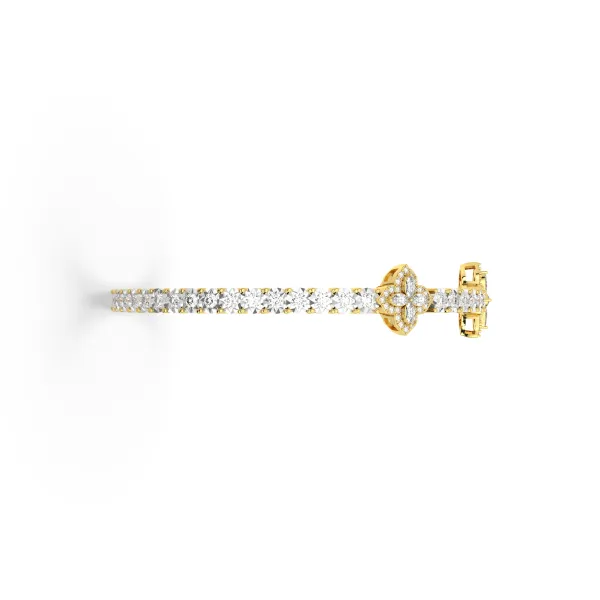
- Floral-Shaped Center Natural Diamond Tennis BraceletAs low as $1,886.00
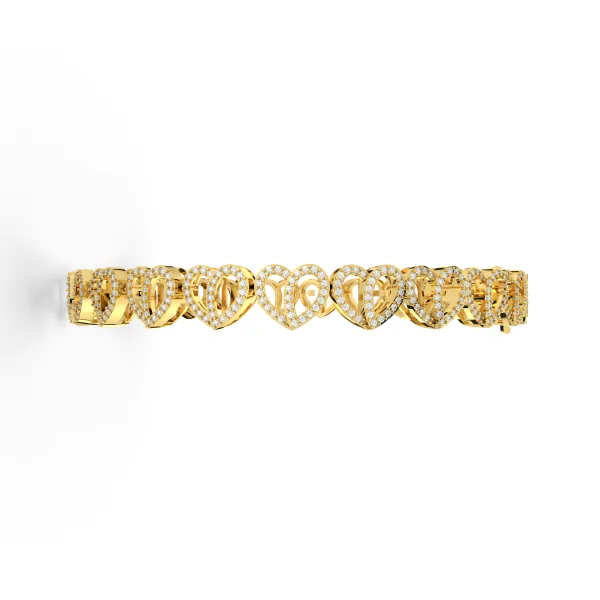
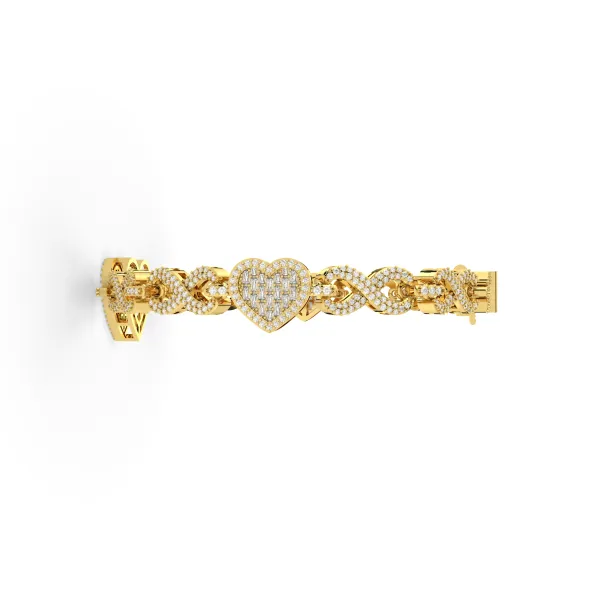
- Heart-Shaped Natural Diamond Link Bracelet For Women'SAs low as $2,695.00
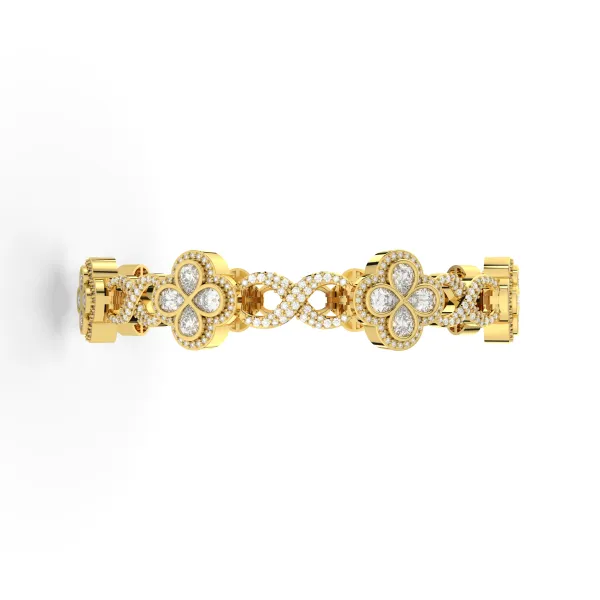
- Natural Diamond Clover-Motif Link BraceletAs low as $6,664.00
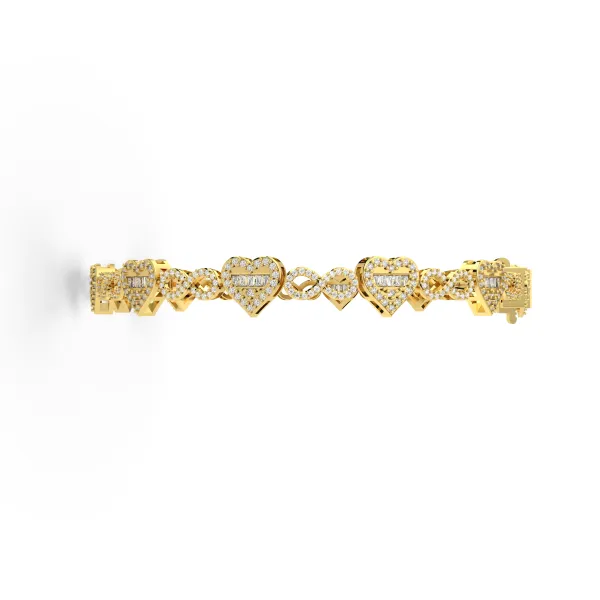
- Women'S 1.45 CT Natural Diamond Heart Link BraceletAs low as $2,598.00
- Heart Links Natural Diamond BraceletAs low as $4,211.00
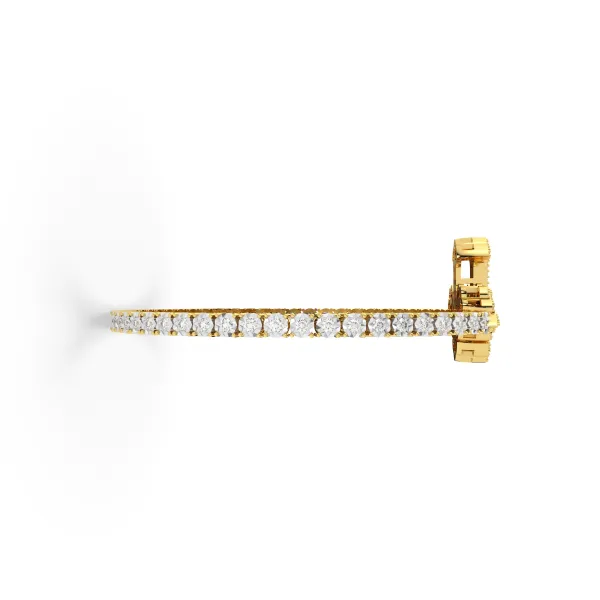
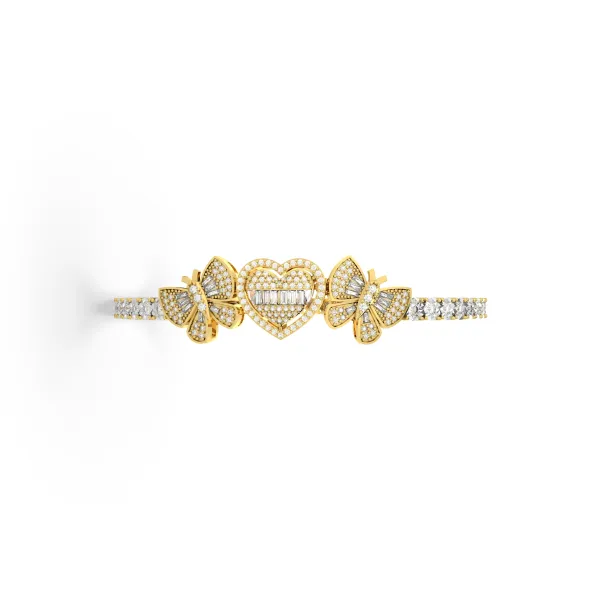
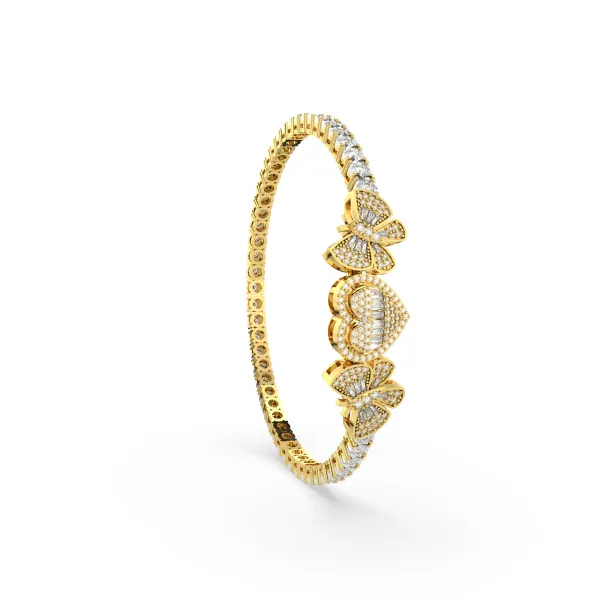
- Butterfly And Heart Bangle BraceletAs low as $2,109.00
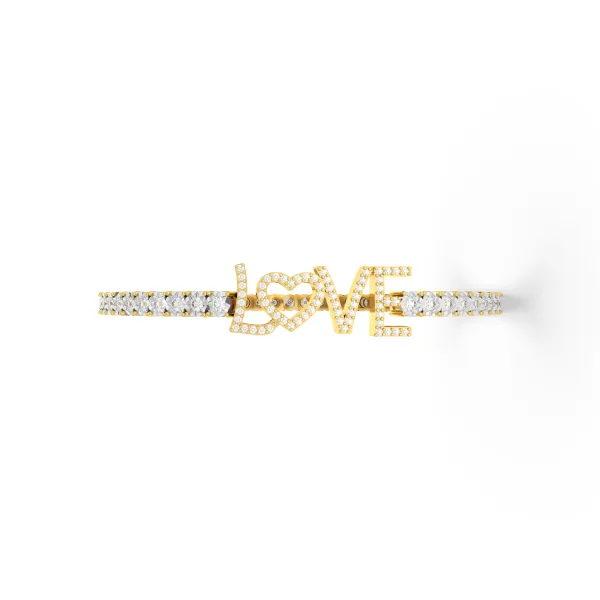
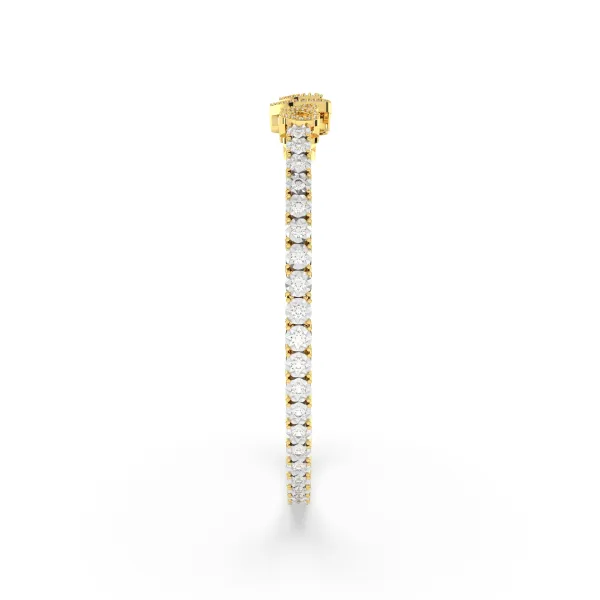
- Natural Diamond Tennis Bracelet With A "LOVE" MotifAs low as $1,889.00
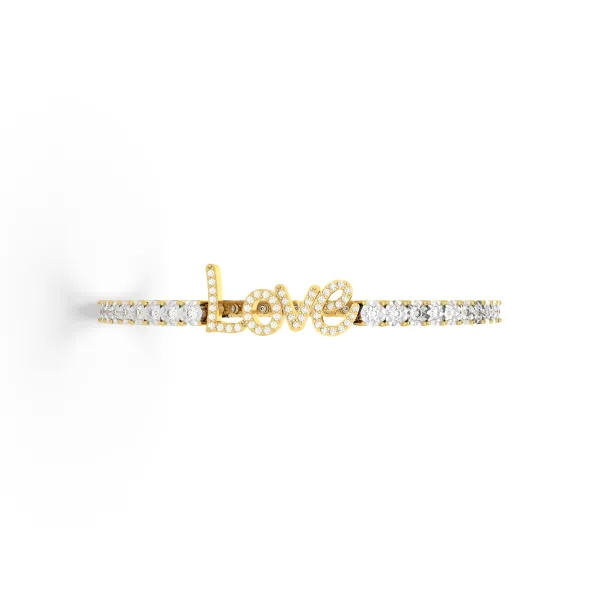
- Natural Diamond "Love" Tennis BraceletAs low as $1,775.00
- Matrix Natural Round Diamond Tennis BraceletAs low as $2,723.00
- Natural Diamond Studded Handcrafted Link BraceletAs low as $4,434.00
- Natural Diamond Heart-Shaped Bangle BraceletAs low as $4,211.00
- Round And Baguette-Cut Natural Diamond Bangle BraceletAs low as $3,989.00
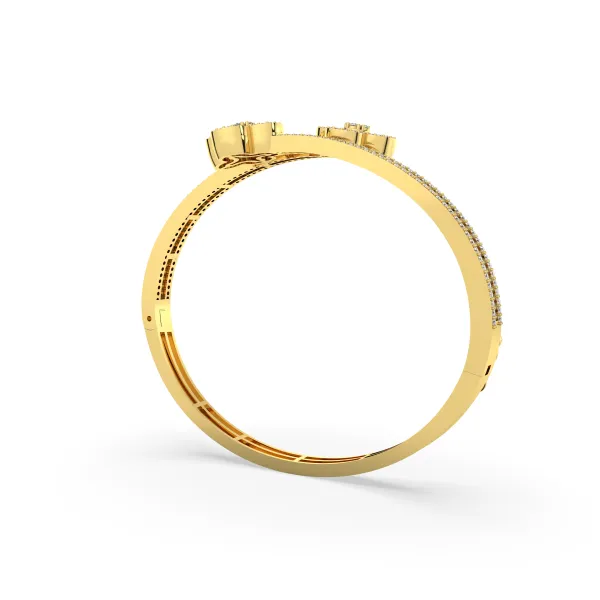
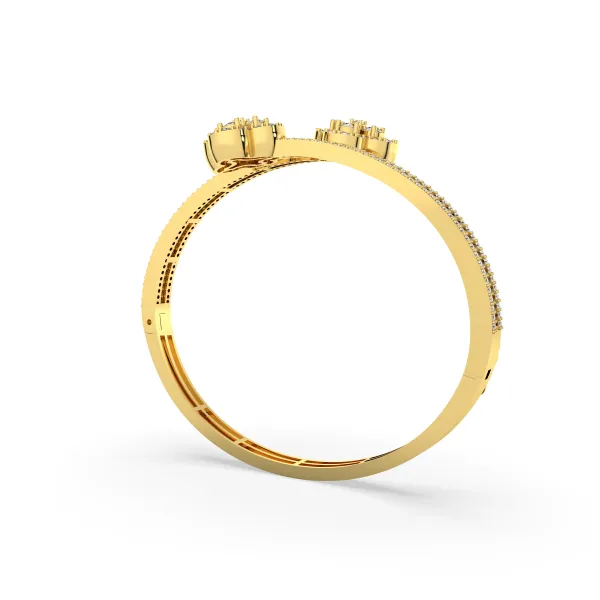
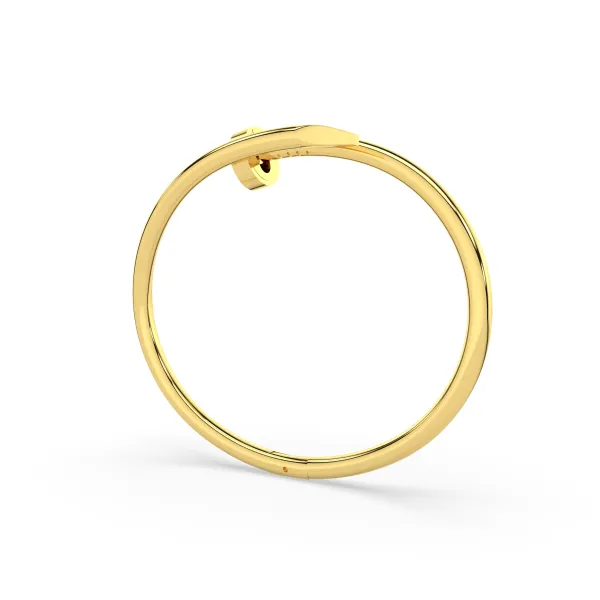
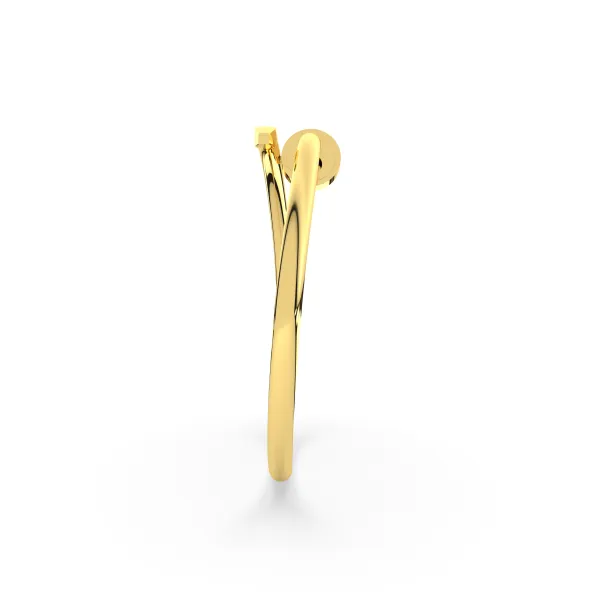
- Nail-Inspired Cuff BraceletAs low as $3,100.00
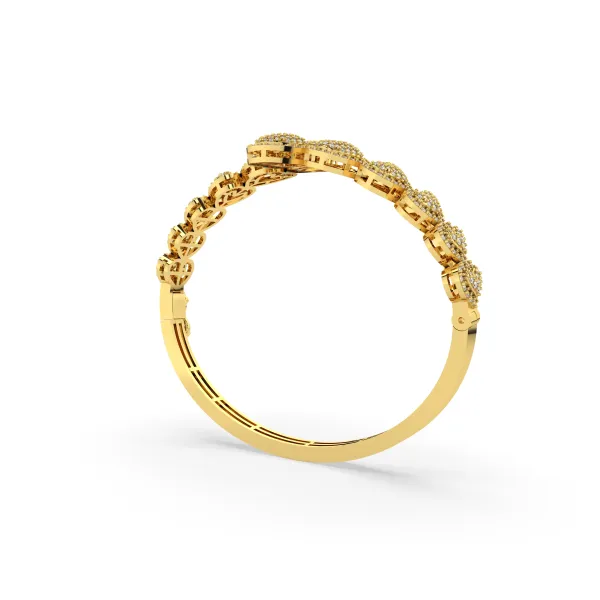
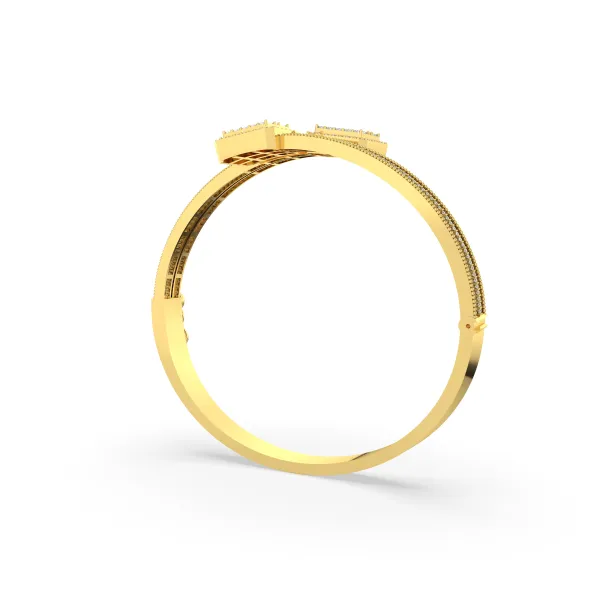
- Bypass-Style Natural Diamond Bangle BraceletAs low as $2,555.00























Conclusion
Natural diamond bracelets are best for those who prefer traditional appeal, and lab-grown diamond bracelets are suitable for those who prefer budget-friendly jewelry. Both options deliver the durability and brilliance of diamond stones.
The best choice depends upon your personal taste, lifestyle, and budget. A lab-grown diamond tennis bracelet may give you better flexibility on carat weight and color, while natural diamond bracelets are appealing for buyers who prefer traditional elegance and geological rarity. Browse our diamond bracelet collection at Sam’s Jewelers in different metals and styles, and find the most affordable natural diamond tennis bracelet for you.
Frequently Asked Questions About Natural vs. Lab-Grown Diamond Bracelets
Yes, lab-grown diamond bracelets are 100% real diamonds. Physically, chemically, and optically, lab-grown diamonds are identical to natural mined diamonds. Both consist of pure crystallized carbon and rank a maximum 10 on the Mohs scale of hardness. The only difference is that lab-grown diamonds are created in controlled laboratory environments using high-tech HPHT or CVD processes, whereas natural diamonds form deep underground over billions of years.
A lab-grown diamond tennis bracelet typically costs 60% to 80% less than a natural diamond tennis bracelet of equivalent carat weight, clarity, and color grade. This significant price difference allows buyers to select a larger total carat weight (CTW) or higher quality specifications within the same budget.
No, a jeweler cannot tell the difference between a lab-grown and a natural diamond bracelet with standard loupes or optical inspection. Because both diamond types reflect light identically and share the same physical properties, verifying a diamond's origin requires specialized laboratory spectroscopic equipment or checking the diamond's official GIA or IGI grading report certificate.
Natural diamond bracelets generally retain better long-term resale value due to their natural geological scarcity and historical market demand. Lab-grown diamond bracelets offer exceptional immediate purchasing value and affordability for daily wear, but they are generally viewed as personal luxury jewelry rather than long-term financial investments.
The price of a 1-carat lab-grown diamond tennis bracelet typically ranges from $800 to $1,500, depending on the metal setting (such as 14K yellow or white gold), overall diamond cut quality, and craft detailing. Comparable natural diamond options generally start significantly higher.
The 4Cs—Cut, Color, Clarity, and Carat Weight—dictate both the visual quality and price of a diamond bracelet. In multi-stone line and tennis bracelets, Cut controls light sparkle, while Color consistency across neighboring stones ensures a uniform appearance. Choosing lab-grown stones makes it easier to match high color (D–F) and clarity grades across every stone without exponentially raising the price.
Yes, you can comfortably wear a diamond tennis bracelet every day. Both natural and lab-grown diamonds are extremely durable with a 10 Mohs hardness rating, making them resistant to scratches. To ensure daily safety, choose a bracelet with a sturdy setting (such as a 4-prong or bezel setting) and a secure double-latch box clasp.
Yes, reputable fine jewelry retailers provide official gemological grading certificates (such as from the IGI or GIA) for lab-grown diamond bracelets. These certification reports evaluate and list the specific Cut, Color, Clarity, Total Carat Weight, and explicit lab-grown origin for the piece.
A tennis bracelet features a flexible, continuous line of individually connected diamonds that wrap comfortably around the wrist. A diamond bangle is a rigid, circular metal band set with diamonds (such as round, baguette, or motif accents) that slides onto the wrist or opens with a hinge.
To get the best value, balance total carat weight with stone quality and metal choices. Opting for lab-grown diamonds offers the highest total carat weight and color uniformity for your budget. If you prefer natural diamonds, prioritizing cut quality and eye-clean clarity (VS2–SI1) in a 14K gold setting provides maximum brilliance at a reasonable price point.


